Category: Industry Insights

  • Fiji’s Sugar Crisis: How Precision Engineering Can Rescue a National Industry

    Fiji’s Sugar Crisis: How Precision Engineering Can Rescue a National Industry

    Fiji’s Sugar Crisis

    How Precision Engineering Can Rescue a National Industry
    How Precision Engineering Can Save 200,000 Livelihoods

    With Fiji’s sugar mills facing ‘serious viability challenges,’ strategic partnerships in wear-resistant technology offer the fastest path to recovery

    Fijian Sugar Industry Minister, Hon. Charan Jeath Singh’s warning about the declining viability of the island nation’s sugar mills isn’t rhetoric—it’s reality. Aging infrastructure, crushing operational costs, and skilled labor shortages threaten 20% of Fiji’s population dependent on sugar. But crisis breeds opportunity: SLI has helped to revive mills in various countries facing similar challenges.

    Hon. Charan Jeath Singh, Minister for Sugar Industry, Fiji

    Image: Hon. Charan Jeath Singh, Parliament of the Republic of Fiji
    (Source: https://www.parliament.gov.fj/members-of-parliament/)

    Diagnosing Fiji’s Sugar Crisis

    • Problem: 40% downtime in Fijian mills vs. 12% in SLI-optimized Thai mills
    • Root Cause: Component wear consuming 30% of operational budgets
    • Urgency: Every 1% downtime = FJ$120,000 lost annually for a 5,000 TCD mill.

    SLI’s 3-Pillar Solution

    PillarFiji’s ChallengeSLI’s FixOutcome
    Infrastructure50-year-old milling equipmentBolt-on wear-resistant components30% longer lifespan, zero Capex
    Cost ControlEnergy costs up 22% YoYLow-friction hammer tips (↓15% power use)FJ$180K/yr savings per mill
    Labor Crisis38% technician shortageEasy-replace designs + remote training50% faster repairs

    Lessons from Global Markets

    Various mills within India and around the world are already using SLI components to maximize sugar yield per acre, and offset domestic price volatility. The energy efficiency of our products also helps mills to comply with strict environmental regulations, and reduce costs in the long term.

    “The same strategies helping Indian and Thai mills thrive can work in Fiji. Modernization isn’t optional—it’s a survival tactic.”

    Fiji doesn’t need theories—it needs actionable partnerships.

    Contact us for a free efficiency assessment and join the global shift toward sustainable sugar production.
  • NFCSF Backs India’s Sugar Control Order 2025: How Mill Optimization Can Counteract Declining Output

    NFCSF Backs India’s Sugar Control Order 2025: How Mill Optimization Can Counteract Declining Output

    India’s Sugar Output Drops 18%

    How Wear-Resistant Components Can Help Mills Adapt to New Regulations

    NFCSF Backs India’s Sugar Control Order 2025

    How Mill Optimization Can Counteract Declining Output

    India’s National Federation of Cooperative Sugar Factories (NFCSF) has welcomed the government’s Sugar (Control) Order 2025, emphasizing the need for swift reforms to address an 18% decline in national sugar output this season. As mills grapple with tighter regulations and shrinking margins, optimizing operational efficiency has become more critical than ever.

    At SLI Industries, we specialize in precision-engineered wear-resistant components that empower mills to thrive under evolving industry demands. Here’s how our solutions align with NFCSF’s call for modernization.

    The Challenge: Declining Output & Regulatory Pressure

    • 18% Drop in Production: Unfavorable weather and resource constraints have strained India’s sugarcane supply.
    • New Compliance Requirements: The 2025 Sugar Control Order emphasizes sustainable practices and operational transparency.
    • NFCSF’s Appeal: The federation has urged mills nationwide to adopt cost-effective technologies in order to offset losses and meet regulatory standards.

    SLI’s Insight:

    “Efficiency isn’t just about output—it’s about maximizing every resource. Our components help mills crush smarter, not just harder.”

    SLI’s Solutions: Bridging Efficiency Gaps

    a) Extend Equipment Lifespan by 30–40%

    • Problem: Frequent component wear (e.g., hammer tips, shredders) inflates costs and disrupts compliance.
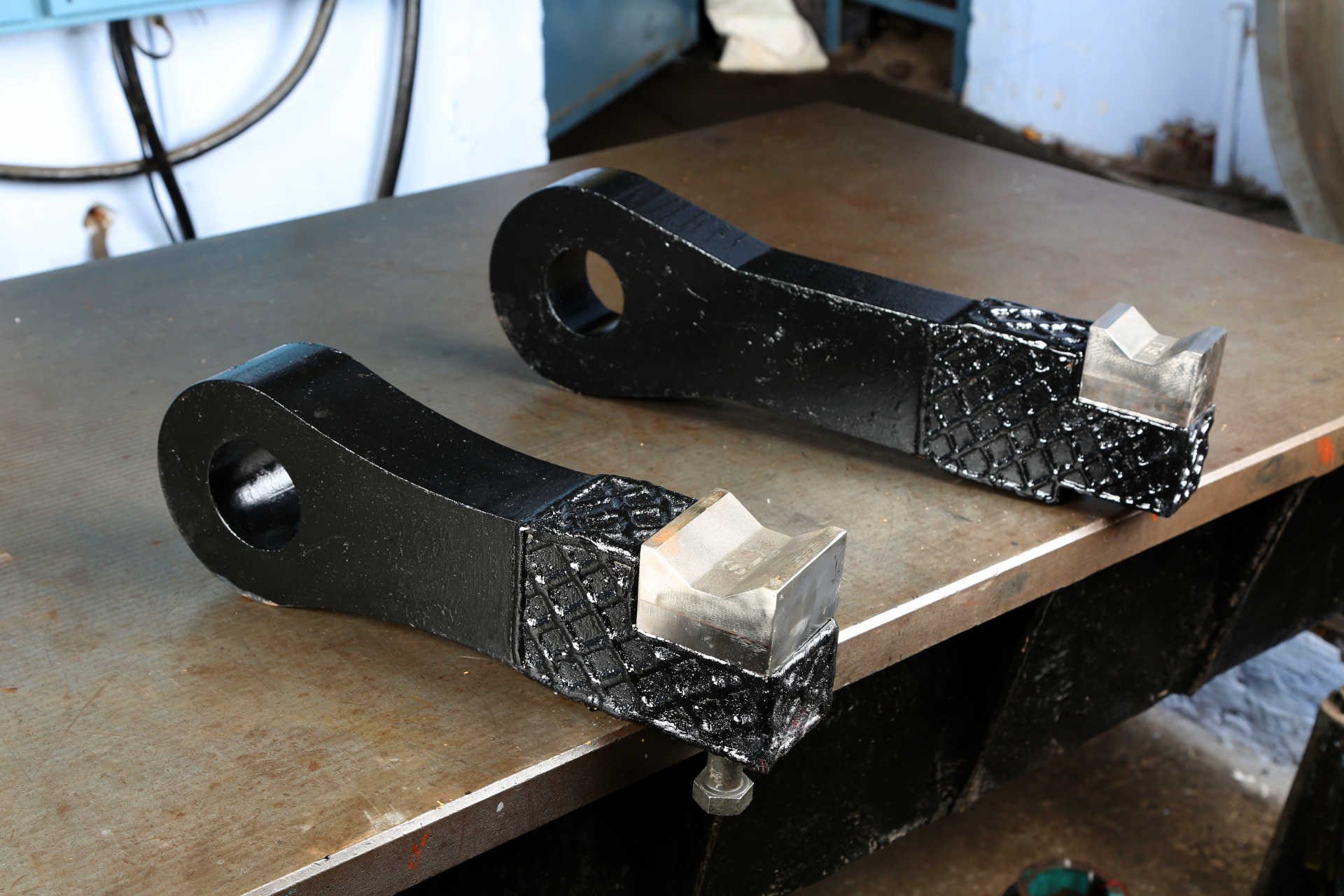
    • SLI Fix: Carbide-enhanced hammer tips (62–64 HRC) reduce replacements significantly, ensuring less interruptions during crushing.

    b) Reduce Energy Consumption by 10–15%

    • Problem: Rising power costs could erode margins under the new Sugar Control Order.
    • SLI Fix: Low-friction knife bodies and anvil segments lower energy use, thereby supporting the call for increased sustainability.

    c) Ensure Consistent Quality for Compliance

    • Problem: Variable output risks mills falling short of the 2025 Sugar Control Order’s quality benchmarks.
    • SLI Fix: Chromium carbide components deliver uniform cutting, which improves extraction rates, as well as sugar purity.

    SLI’s Role:

    “From India’s regulatory shifts to export booms around the globe, our solutions are proven in the world’s toughest markets.”

    Ready to align with the Sugar Control Order 2025?

    Set up an efficiency audit with SLI and discover how our wear-resistant components can future-proof your mill.

  • Sugar Mills Close Early Amid India’s Cane Shortage: How Smart Optimization Can Save the Season

    Sugar Mills Close Early Amid India’s Cane Shortage: How Smart Optimization Can Save the Season

    India’s Sugar Mills Close Early Amid Cane Shortage

    How Smart Optimization Can Save the Season

    Navigating India’s Cane Shortage Crisis

    How Efficient Mills Can Thrive with SLI’s Expertise

    A severe sugarcane shortage has led to the early closure of over 100 sugar mills across India this season, straining production and profitability (as reported by The Times of India). The mills which remain open now face unprecedented pressure to crush faster, smarter, and with fewer resources.

    At SLI Industries, we’ve spent 46 years helping mills worldwide turn crises into opportunities through advanced optimization strategies. Here’s how the remaining mills can leverage SLI’s expertise to bridge the gap left by India’s cane shortage.

    The Crisis in Numbers

    • 20% Drop in Cane Acreage: Uttar Pradesh and Maharashtra, India’s sugar heartlands, report significant declines in sugarcane cultivation.
    • 30% Longer Crushing Seasons: Remaining mills must process more cane with aging infrastructure.
    • Rising Costs: Labor shortages and fuel prices make the operational challenges even tougher.

    SLI’s Insight:

    “When cane supply shrinks, maximizing every ton’s yield becomes non-negotiable. Efficient mills don’t just survive—they gain market share.”

    How SLI Helps Mills Do More with Less

    a) Extend Equipment Lifespan by 40%

    • Problem: Frequent breakdowns of hammer tips, shredders, and knives worsen delays.
    • SLI Solution: Carbide-enhanced hammer tips (62–64 HRC) withstand high-stress crushing, reducing the frequency of replacements during India’s cane shortage.

      b) Boost Crushing Efficiency

      • Problem: Low sugarcane quality (due to rushed harvesting) strains equipment.
      • SLI Solution: Precision knife bodies and leveler units ensure uniform cutting, improving juice extraction by 12–15%.

      c) Slash Energy Costs

      • Problem: Extended operations increase power consumption.
      • SLI Solution: Low-friction anvil segments reduce energy use significantly.

      SLI’s Global Reach

      “From India’s cane shortage to Thailand’s export boom, our solutions are tested in the world’s toughest conditions.”

      Steps for Mills to Survive in 2025

      1. Audit Critical Components: Prioritize the upgrading of high-wear parts like hammer tips, and shredder plates.
      2. Collaborate with Experts: SLI offers free consultation to identify cost-saving opportunities.

      Facing cane shortages?

      Let SLI’s 46 years of expertise help your mill crush smarter.

    • How Fiji’s Sugar Reforms Highlight the Need for Mill Modernization

      How Fiji’s Sugar Reforms Highlight the Need for Mill Modernization

      Fiji’s Sugar Industry Reforms

      Why Modernizing Mills is Key to Survival and Growth

      How Fiji’s Sugar Reforms Highlight the Need for Mill Modernization

      Discover SLI’s Role in Supporting Sustainable, Efficient Sugar Production

      Fiji’s Prime Minister recently defended ambitious reforms to revitalize the nation’s struggling sugar industry, emphasizing modernization and sustainability (as reported by Chini Mandi). With aging infrastructure and rising production costs threatening Fiji’s sugar exports, mills must adopt cost-effective, high-performance solutions to stay viable.

      At SLI Industries, we’ve spent 46 years helping sugar mills worldwide overcome similar challenges with our advanced wear-resistant components, and process optimization strategies. Here’s how Fiji’s reforms align with SLI’s expertise — and what mills can learn from global success stories.

      Fiji’s Reform Priorities & SLI’s Solutions

      1. Modernizing Aging Infrastructure

      • Challenge: Fiji’s mills rely on outdated equipment, leading to frequent breakdowns and high maintenance costs.
      • SLI Solution: Upgrading to precision-engineered hammer tips, knife bodies, and anvil segments reduces downtime by 30–40% and extends equipment lifespan.

      2. Improving Energy Efficiency

      • Challenge: Rising energy costs strain already thin profit margins.
      • SLI Solution: Components like low-friction fibrizer hammer units reduce power consumption considerably, thereby reducing operational costs and improving efficiency.

      3. Enhancing Export Competitiveness

      • Challenge: Fiji’s sugar exports face stiff competition from India, Thailand, and Brazil.
      • SLI Solution: Consistent crushing performance from chromium carbide knife tips ensures higher-quality sugar, meeting strict international standards.

      Lessons from Global Markets

      Various mills within India and around the world are already using SLI components to maximize sugar yield per acre, and offset domestic price volatility. The energy efficiency of our products also helps mills to comply with strict environmental regulations, and reduce costs in the long term.

      “The same strategies helping Indian and Thai mills thrive can work in Fiji. Modernization isn’t optional—it’s a survival tactic.”

      Three Steps for Fiji’s Mills

      1. Audit Equipment: Identify high-wear components driving costs up (e.g., hammer tips, shredder plates).
      2. Partner with Experts: SLI offers customized consultations to prioritize upgrades.
      3. Leverage Global Insights: Adopt best practices from mills in India, and around the world, on energy efficiency and quality control.

      Ready to MODERNIZE your sugar mill?

      Contact us for a free efficiency assessment and join the global shift toward sustainable sugar production.

    • How Global Sugar Market Shifts Create Opportunities for Mill Optimization

      How Global Sugar Market Shifts Create Opportunities for Mill Optimization

      How Global Sugar Market Shifts Create Opportunities for Mill Optimization

      Leveraging SLI’s Expertise to Navigate Tariffs and Boost Efficiency

      Sugarcane

      Figure: Sugarcane in close-up

      (Source: https://unsplash.com/photos/a-close-up-of-a-bunch-of-bamboo-sticks-1y1i3SffSXs)

      How Global Sugar Market Shifts Create Opportunities for Mill Optimization

      US Tariffs & Sugar Market Volatility: How Mill Optimization Can Secure Your Competitive Edge

      The recent imposition of US tariffs on Indian sugar has sent ripples through the global market, squeezing profit margins and forcing mills to rethink strategies. As highlighted in this HedgePoint analysis, tariffs can have a disruptive effect on exports, which makes it even more important to establish and maintain cost efficiency and operational resilience within sugar mills everywhere.

      At SLI Industries, we understand that mill optimization — through advanced wear-resistant components and process improvements — can help sugar producers to offset these challenges. Here’s how:

      1. The Tariff Impact: Why Efficiency Matters More Than Ever

      • Export Pressures: With US tariffs reducing India’s export competitiveness, mills must focus on lowering production costs to maintain profitability.
      • Domestic Demand: Rising domestic sugar consumption in India and Southeast Asia (e.g., Thailand, Vietnam) increases the need for uninterrupted production.
      • Global Trends: Sugar mills from other parts of the world, including Australia and Fiji, face similar pressures from climate variability and energy costs, pushing mills to adopt durable, energy-saving solutions.

      SLI’s Insight:

      “In a volatile market, the mills that thrive are those minimizing downtime and maximizing yield per ton of cane. Our components are engineered to deliver exactly those valuable results.”

      2. Three Ways SLI Helps Mills Adapt

      a) Reduce Maintenance Costs by 20–30%

      • Problem: Frequent component replacements (e.g., hammer tips, knife bodies) drain budgets.
      • SLI Solution: Our 62–64 HRC carbide-enhanced components last longer, cutting replacement cycles and labor costs.
        • Case Study: A Tamil Nadu mill reduced annual maintenance expenses by ₹25 lakh after switching to SLI hammer tips.

      b) Cut Energy Consumption

      • Problem: Inefficient crushing tools increase power usage by up to 15%.
      • SLI Solution: Precision-engineered knife bodies and anvil segments reduce friction, saving 8–10% energy.

      c) Ensure Consistent Output for Export Quality

      • Problem: Tariffs demand higher-quality sugar to justify costs.
      • SLI Solution: Uniform cutting from chromium carbide knife tips improves fiber extraction and juice purity.

      3. The Path Forward for Global Sugar Markets

      With global sugar markets in flux, mills must:

      1. Audit Equipment: Identify high-wear components driving costs.
      2. Upgrade Strategically: Prioritize SLI’s long-life parts (e.g., fibrizer hammer units, leveler blades).
      3. Monitor Trends: Adapt to policy shifts with agile operations.

      SLI’s Role: We offer free efficiency consultations to help mills benchmark performance against industry standards.

      Facing tariff pressures? Let SLI’s 46 years of expertise optimize your mill.

      Contact our team for a no-obligation assessment.

    • 5 Key Trends Shaping the Future of the Sugar Industry in 2025

      5 Key Trends Shaping the Future of the Sugar Industry in 2025

      5 Key Trends

      Shaping the Future of the Sugar Industry in 2025

      Photo of a sugar factory (5 Key Trends Shaping the Future of the Sugar Industry in 2025)

      Image Source: Development of factory training for the Australian Sugar Industry

      (https://research.qut.edu.au/cab/projects/development-of-factory-training-for-the-australian-sugar-industry/)

      5 Key Trends Shaping the Future of the Sugar Industry in 2025

      Discover the top 5 trends transforming the sugar industry in 2025, from ethanol production to sustainability. Learn how SLI Industries is helping sugar mills stay ahead with innovative, wear-resistant solutions.

      The sugar industry is undergoing significant changes as it adapts to new technologies, environmental concerns, and market demands. For sugar mills in India, Thailand, and so many other nations, staying ahead of these trends is crucial for maintaining competitiveness and profitability. In this article, we’ll explore the top 5 trends shaping the sugar industry in 2025 and how SLI Industries is helping mills to navigate these changes with innovative, wear-resistant solutions.

      1. Ethanol Production: A Growing Opportunity

      One of the most significant trends in the sugar industry is the shift toward ethanol production. Governments worldwide are promoting ethanol as a renewable fuel to reduce dependence on fossil fuels and lower carbon emissions. In India, for example, the government has set a target of 20% ethanol blending in petrol by 2025. This trend is creating new revenue streams for sugar mills, but it also requires efficient crushing and processing equipment to maximize ethanol yield.

      How SLI Can Help:
      SLI’s wear-resistant components, such as hammer tips and knife bodies, ensure consistent crushing performance, helping mills optimize sugarcane processing for both sugar and ethanol production.

      2. Sustainability: A Priority for the Modern Sugar Mill

      Sustainability is no longer just a buzzword—it’s a necessity. Sugar mills are increasingly adopting sustainable practices, such as water conservation, waste-to-energy technologies, and energy-efficient machinery. These practices not only reduce environmental impact but also lower operational costs.

      How SLI Can Help:
      SLI’s energy-efficient components are designed to minimize energy consumption, helping mills reduce their carbon footprint while maintaining high productivity.

      3. Modernization: Upgrading for Efficiency

      Many sugar mills are investing in modernization to improve efficiency and reduce costs. This includes upgrading outdated equipment, automating processes, and adopting advanced technologies. Modernized mills can achieve higher crushing rates, better-quality sugar, and lower maintenance costs.

      How SLI Can Help:
      SLI’s precision-engineered components are compatible with modern machinery, making them an ideal choice for mills undergoing upgrades. Our products are designed for easy installation and long-lasting performance, ensuring a smooth transition to modern operations.

      4. Energy Efficiency: Reducing Operational Costs

      Energy consumption is a major expense for sugar mills. With rising energy costs, mills are looking for ways to optimize energy usage without compromising productivity. Energy-efficient equipment and components can significantly reduce operational costs while maintaining high performance.

      How SLI Can Help:
      SLI’s wear-resistant components are optimized for energy efficiency, helping mills reduce power consumption and lower their energy bills.

      5. Wear-Resistant Components: Extending Equipment Lifespan

      As sugar mills face increasing pressure to improve efficiency and reduce costs, the demand for wear-resistant components is growing. These components are designed to withstand the harsh conditions of sugar mill operations, reducing the need for frequent replacements and minimizing downtime.

      How SLI Can Help:
      With over 46 years of experience, SLI Industries is a trusted provider of wear-resistant components. Our products, including hammer tips, knife bodies, and anvil segments, are engineered to deliver exceptional durability and performance, helping mills extend equipment lifespan and reduce maintenance costs.

      Stay Ahead with SLI Industries

      The sugar industry is evolving rapidly, and sugar mills must adapt to stay competitive. By embracing these trends and investing in innovative solutions, mills can improve efficiency, reduce costs, and achieve sustainable growth. At SLI Industries, we’re committed to helping sugar mills navigate these changes with our high-quality, wear-resistant components.

      Ready to future-proof your sugar mill?

      Explore our range of wear-resistant components or contact our experts to learn how we can help you stay ahead in 2025

    • Maximizing Sugar Mill Efficiency: How Wear-Resistant Components Can Dramatically Improve Your Operations

      Maximizing Sugar Mill Efficiency: How Wear-Resistant Components Can Dramatically Improve Your Operations

      Maximizing Sugar Mill Efficiency

      How Wear-Resistant Components Can Dramatically Improve Your Operations

      Sugar Mill Efficiency - "Gear train that powers the grinding mills 1992"
Allen Hess Photographs

      “Gear train that powers the grinding mills 1992”
      Allen Hess Photographs

      (Source: https://allenhess.com/louisiana-sugar-mills/)

      Maximizing Sugar Mill Efficiency

      How Wear-Resistant Components Can Dramatically Improve Your Operations

      Sugar mills are the backbone of the sugar industry, but they face numerous challenges that can impact productivity and profitability. From frequent equipment wear to unexpected downtime, these issues can lead to increased maintenance costs and reduced sugar mill efficiency. Fortunately, there’s a solution: wear-resistant components. In this article, we’ll explore how these components can transform your sugar mill operations and why SLI Industries is the trusted partner for sugar mills across India and Thailand, and around the world.

      The Challenges Facing Sugar Mills

      Sugar mills operate in some of the most demanding environments. The constant crushing, cutting, and shredding of sugarcane put immense stress on equipment, leading to:

      1. Frequent Wear and Tear: Components like hammer tips, knife bodies, and anvil segments often wear out quickly, requiring frequent replacements.
      2. High Maintenance Costs: Regular repairs and replacements can significantly increase operational expenses.
      3. Unexpected Downtime: Equipment failures can halt production, leading to delays and lost revenue.
      4. Inconsistent Performance: Worn-out components can result in uneven crushing, affecting the quality of the final product.

      The Solution: Wear-Resistant Components

      Wear-resistant components are specifically designed to withstand the harsh conditions of sugar mill operations. By investing in these components, sugar mills can:

      1. Extend Equipment Lifespan: Wear-resistant materials like hardened steel and carbide enhancements ensure components last longer, reducing the need for frequent replacements.
      2. Reduce Maintenance Costs: With fewer replacements and repairs, mills can significantly lower their maintenance expenses.
      3. Minimize Downtime: Durable components are less likely to fail, ensuring continuous operation and maximizing productivity.
      4. Improve Crushing Efficiency: Precision-engineered components deliver consistent performance, resulting in better-quality sugar and higher extraction rates.

      Why Choose SLI Industries?

      With over 46 years of experience, SLI Industries has become a trusted name in the sugar industry, especially when it comes to maximizing sugar mill efficiency. Our wear-resistant components are engineered to meet the highest standards of quality and performance. Here’s why sugar mills across India and Thailand choose SLI:

      • Proven Expertise: We specialize in manufacturing precision-engineered components that are built to last.
      • Rigorous Quality Control: Every product undergoes strict testing to ensure it meets precise specifications.
      • Energy Efficiency: Our components are designed to optimize energy usage, reducing operational costs.
      • Rapid Delivery and Support: We offer quick delivery and emergency support to keep your operations running smoothly.

      Take a Step Closer to Sugar Mill Efficiency

      If you’re ready to transform your sugar mill’s performance, SLI Industries is here to help. Our team of experts can guide you in selecting the right wear-resistant components for your needs. Contact us today to learn more about our products and services.

      Ready to maximize your sugar mill’s efficiency?

      Explore our range of wear-resistant components or contact our experts for a customized solution

    0