
Fiji’s Sugar Crisis
How Precision Engineering Can Rescue a National Industry
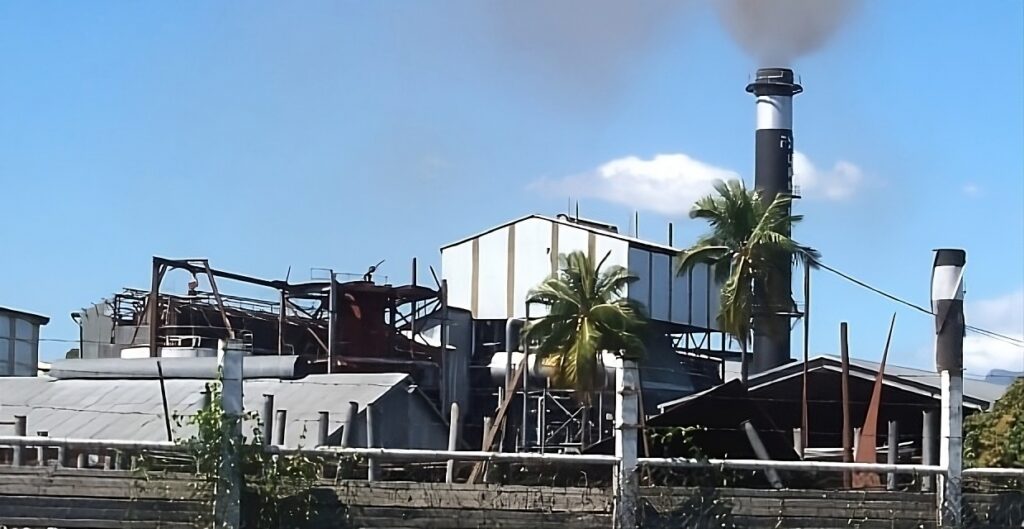
Image: Fiji Sugar Corporation’s Lautoka Mill
(Source: FijiVillage.com, https://www.fijivillage.com/news/Lautoka-Mill-achieves-milestone-crushing-40004-tonnes-of-cane-and-manufacturing-4229-tonnes-of-sugar-9k2r5s/)
How Precision Engineering Can Save 200,000 Livelihoods
With Fiji’s sugar mills facing ‘serious viability challenges,’ strategic partnerships in wear-resistant technology offer the fastest path to recovery
Fijian Sugar Industry Minister, Hon. Charan Jeath Singh’s warning about the declining viability of the island nation’s sugar mills isn’t rhetoric—it’s reality. Aging infrastructure, crushing operational costs, and skilled labor shortages threaten 20% of Fiji’s population dependent on sugar. But crisis breeds opportunity: SLI has helped to revive mills in various countries facing similar challenges.

Image: Hon. Charan Jeath Singh, Parliament of the Republic of Fiji
(Source: https://www.parliament.gov.fj/members-of-parliament/)
Diagnosing Fiji’s Sugar Crisis
- Problem: 40% downtime in Fijian mills vs. 12% in SLI-optimized Thai mills
- Root Cause: Component wear consuming 30% of operational budgets
- Urgency: Every 1% downtime = FJ$120,000 lost annually for a 5,000 TCD mill.
SLI’s 3-Pillar Solution
| Pillar | Fiji’s Challenge | SLI’s Fix | Outcome |
|---|---|---|---|
| Infrastructure | 50-year-old milling equipment | Bolt-on wear-resistant components | 30% longer lifespan, zero Capex |
| Cost Control | Energy costs up 22% YoY | Low-friction hammer tips (↓15% power use) | FJ$180K/yr savings per mill |
| Labor Crisis | 38% technician shortage | Easy-replace designs + remote training | 50% faster repairs |
Lessons from Global Markets
Various mills within India and around the world are already using SLI components to maximize sugar yield per acre, and offset domestic price volatility. The energy efficiency of our products also helps mills to comply with strict environmental regulations, and reduce costs in the long term.
“The same strategies helping Indian and Thai mills thrive can work in Fiji. Modernization isn’t optional—it’s a survival tactic.”
Fiji doesn’t need theories—it needs actionable partnerships.
Contact us for a free efficiency assessment and join the global shift toward sustainable sugar production.